

The management of infectious healthcare waste is evolving. In 2025, the French Ministry of Labour, Health, Solidarity and Families published an updated version of the national guidance on healthcare waste disposal to help healthcare facilities improve their waste segregation, collection and treatment practices.
This updated guidance provides practical recommendations to better identify truly infectious waste, optimize waste segregation at the source and reduce the environmental impact of healthcare activities.
Le guide officiel DASRI 2025 est disponible ici
This update was highly anticipated by healthcare professionals. The previous guidance dated back to 2009 and no longer fully reflected the evolution of healthcare practices, the growth of outpatient care or the environmental challenges associated with healthcare waste management.
The 2025 Healthcare Waste Guide provides practical recommendations to better identify truly infectious waste, improve waste segregation at the point of generation and reduce the environmental impact of healthcare activities.
For healthcare facilities, these new recommendations represent an opportunity to improve safety, operational efficiency and the sustainability of waste management practices.
What changes with the 2025 Healthcare Waste Guide?
The guide reinforces a key principle: only waste presenting a proven infectious risk should be managed as infectious healthcare waste.
In practice, many non-contaminated items are still unnecessarily classified as infectious waste, leading to higher treatment costs and increasing the volume of waste sent to specialized treatment streams.
The guide therefore encourages healthcare facilities to:
- Improve waste segregation at the source
- Reduce classification errors
- Optimize waste streams
- Limit the systematic use of specialized treatment pathways
This approach aims to balance patient and staff safety, cost control and environmental performance.
Waste Segregation: A Strategic Challenge for Healthcare Facilities
The 2025 guide places waste segregation at the source at the center of effective healthcare waste management.
Better separation between infectious healthcare waste, general waste, recyclable materials and organic waste can significantly reduce the volume of infectious waste while improving the overall efficiency of treatment processes.
To achieve this objective, the guide highlights the importance of:
- Regular staff training
- The use of appropriate waste containers
- Clear and standardized segregation procedures


Effective waste segregation remains one of the most powerful ways for healthcare facilities to optimize healthcare waste management while controlling the costs associated with infectious waste treatment.
Pre-Treatment of Infectious Healthcare Waste: An Alternative to Incineration
The guide also encourages the adoption of pre-treatment technologies capable of disinfecting and rendering infectious healthcare waste non-hazardous before its final disposal.
These processes help reduce microbiological risks while decreasing reliance on specialized incineration facilities.
Key benefits of pre-treatment include:
- Reduced infectious risk
- Fewer transports of hazardous waste
- Improved internal logistics
- Lower waste management costs
- Reduced environmental impact
Beyond reducing infectious risks, pre-treatment also creates new opportunities for waste recovery. Once rendered non-hazardous, certain waste streams may be directed to energy recovery facilities or, where technical and regulatory conditions allow, to material recycling pathways.
This approach helps reduce the systematic reliance on specialized incineration and supports the healthcare sector’s broader sustainability and environmental objectives.
Reducing the Environmental Impact of Infectious Healthcare Waste Management
The transportation of infectious healthcare waste represents a significant share of the environmental footprint associated with healthcare waste management.
Under traditional waste management models, infectious waste is collected and transported to specialized treatment facilities, which may be located far from healthcare facilities. This approach generates substantial logistical costs and contributes to CO₂ emissions linked to transportation.
The 2025 Healthcare Waste Guide therefore encourages healthcare facilities to explore solutions that reduce transportation requirements and improve waste management closer to the point of generation.
This evolution aligns with the healthcare sector’s broader sustainability and environmental objectives.
On-Site Treatment of Infectious Healthcare Waste: A Growing Solution
The 2025 guide encourages healthcare facilities to consider solutions that enable infectious waste to be treated as close as possible to where it is generated. This approach helps reduce transportation needs, improve waste handling safety and minimize the environmental impact associated with infectious healthcare waste management.
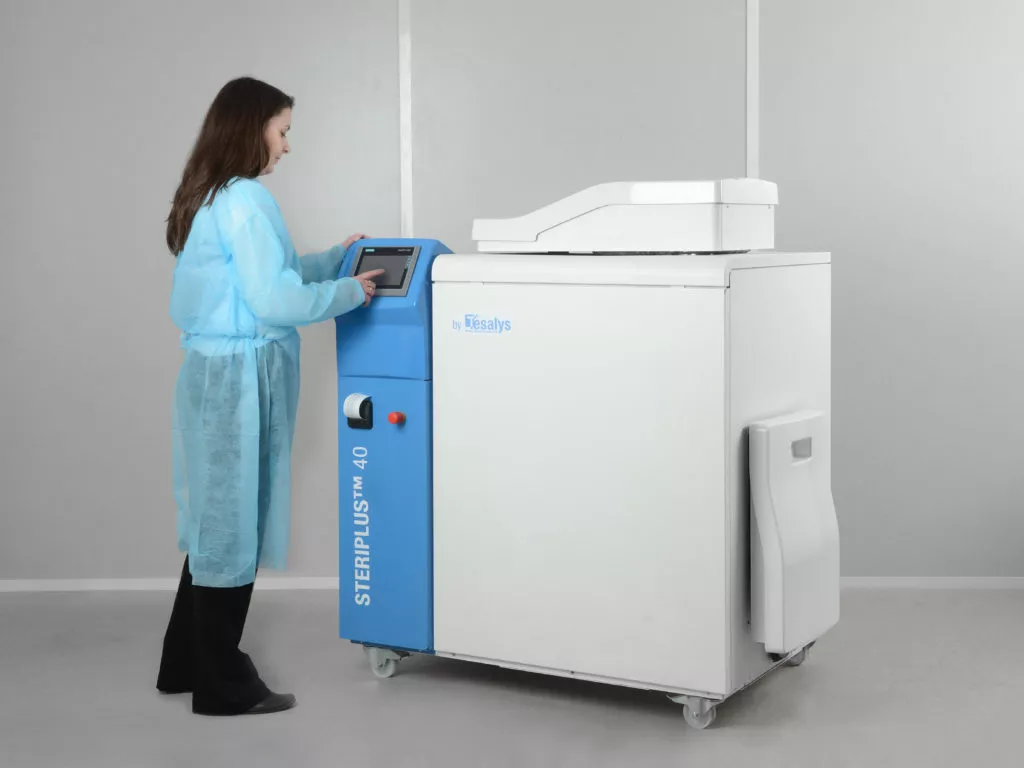
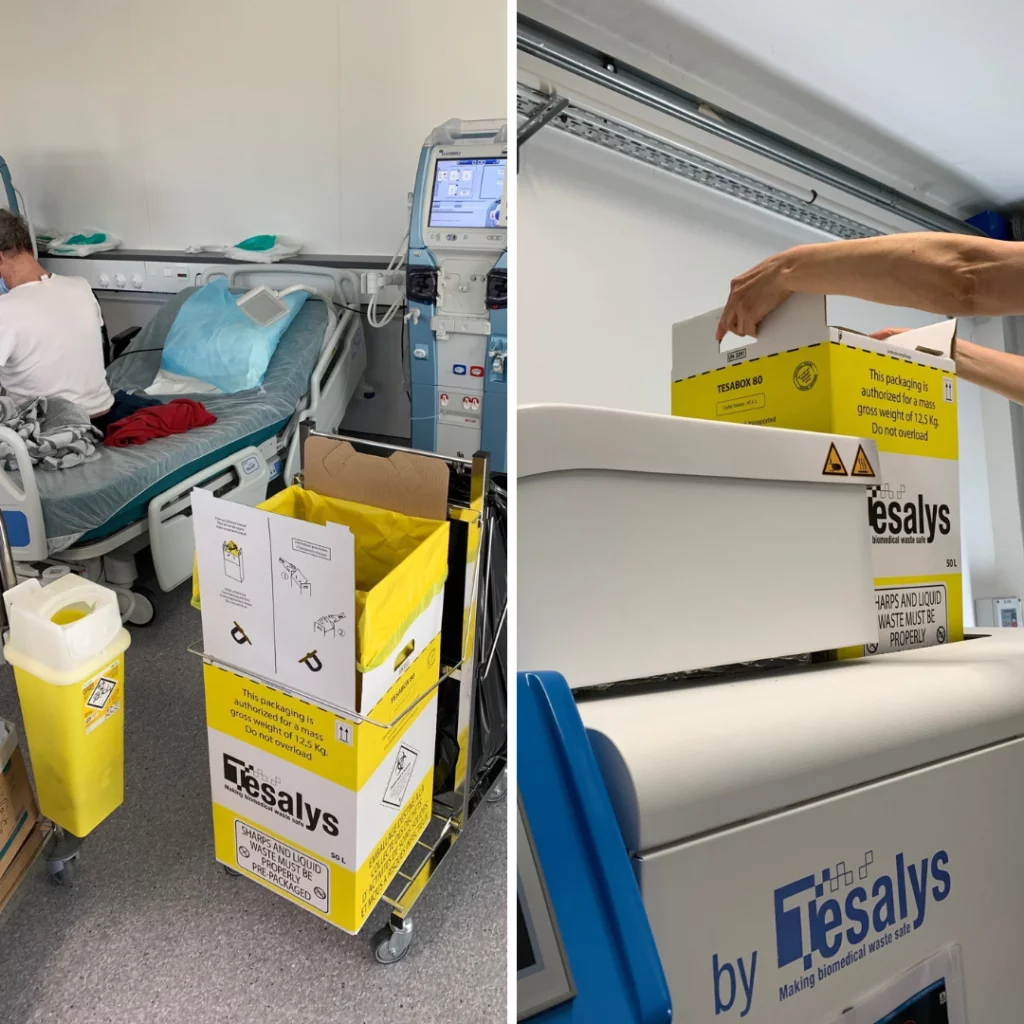
Among the technologies available today, some systems can sterilize and shred infectious healthcare waste directly on site. Once treated, the waste is rendered non-hazardous, reducing the constraints associated with transportation and final disposal.
Tesalys solutions support this approach by providing on-site treatment systems designed to help healthcare facilities strengthen their autonomy in infectious waste management while meeting high standards of safety and operational performance.
Learn more about the standards, certifications and regulatory compliance of Tesalys solutions
The 2025 Healthcare Waste Guide highlights the importance of adopting a more efficient, sustainable and practical approach to infectious healthcare waste management.
Through improved waste segregation, reduced transportation requirements and the growing adoption of on-site treatment solutions, healthcare facilities now have several effective ways to optimize their infectious waste management practices while reducing their environmental impact.
On-site treatment of infectious healthcare waste should now hold no more secrets for you !