

A One Health approach to health systems
On the occasion of World Health Day 2026, Tesalys took part in discussions on medical waste sterilization and the management of healthcare waste. In a context where health, environmental, and economic issues are increasingly connected, health is now approached in a more integrated way.
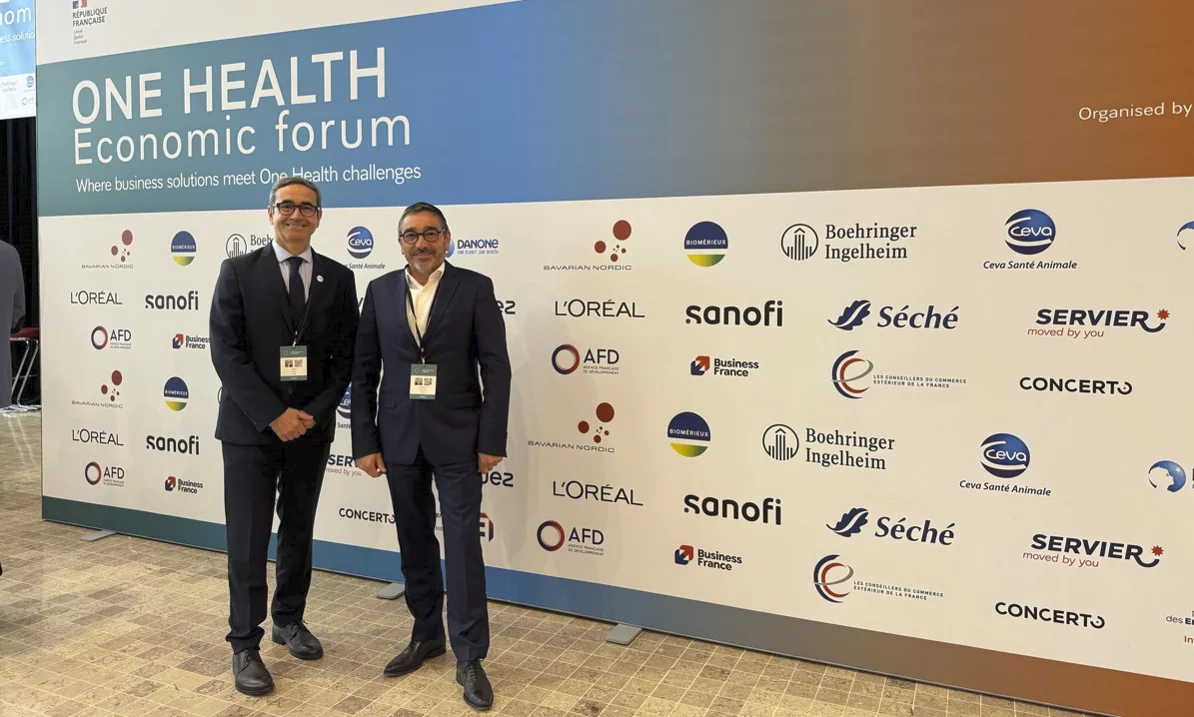
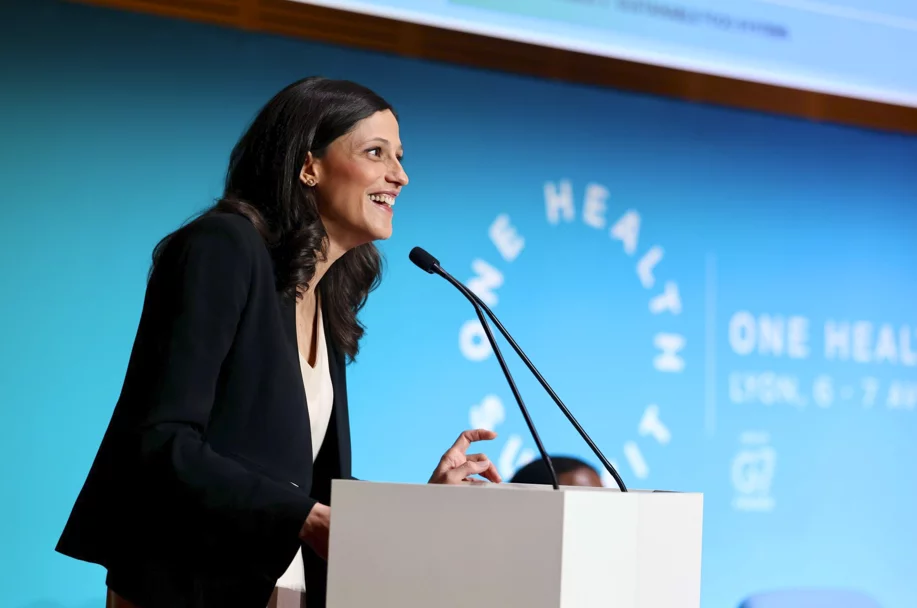
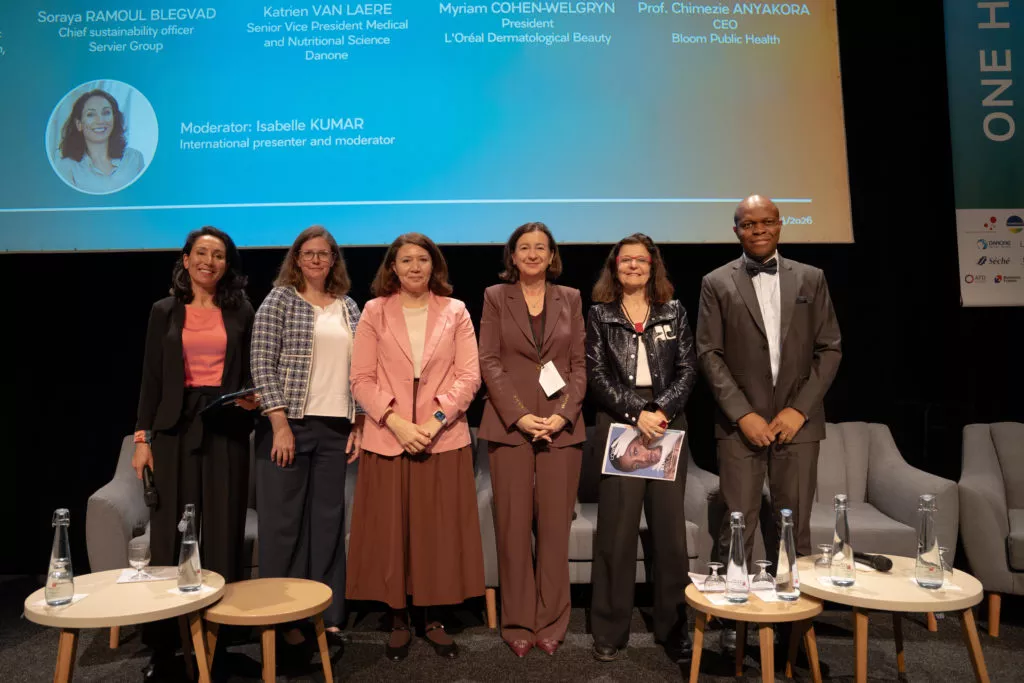
This year’s World Health Day was marked by the One Health Economic Forum in Lyon, organized by French Healthcare Association as part of the One Planet Summit. The forum brought together public and private stakeholders to exchange on global health challenges.
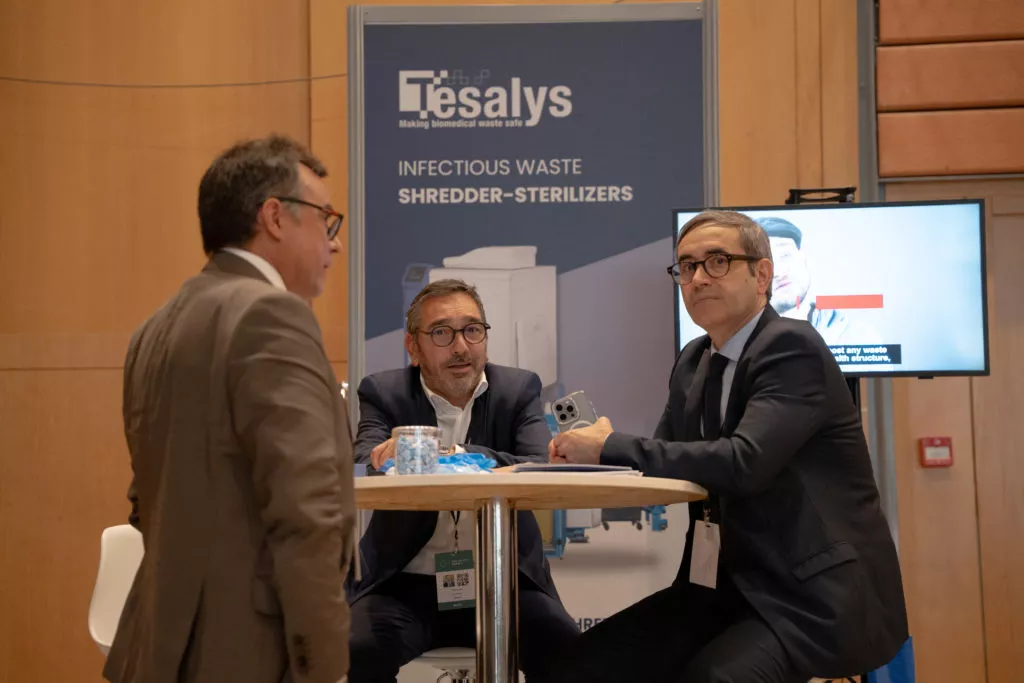
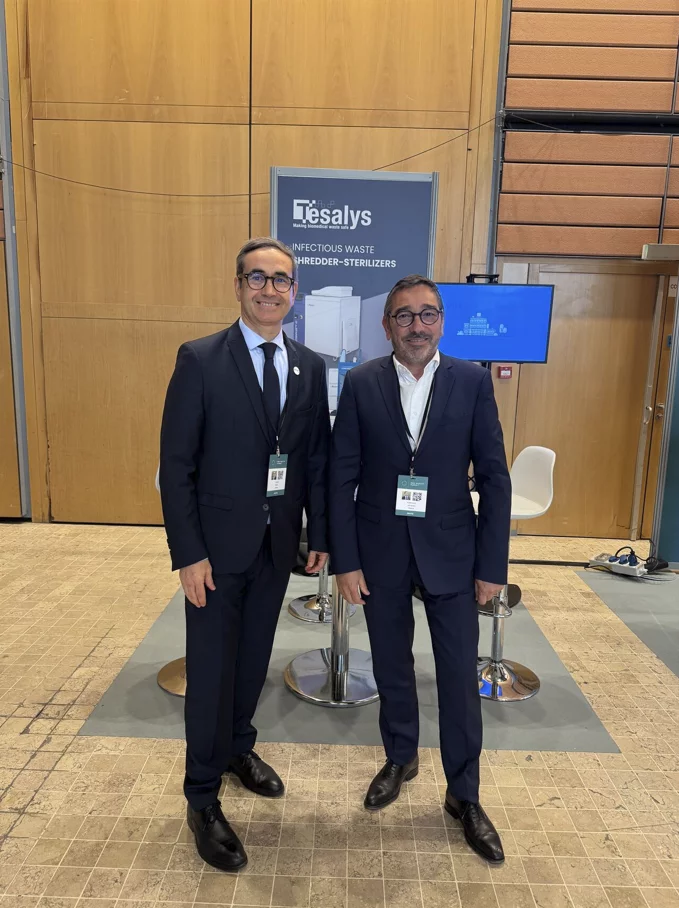
Tesalys representatives, Miquel Lozano and Jean-Michel Rodriguez, joined discussions with sector actors and shared perspectives on healthcare waste management practices.
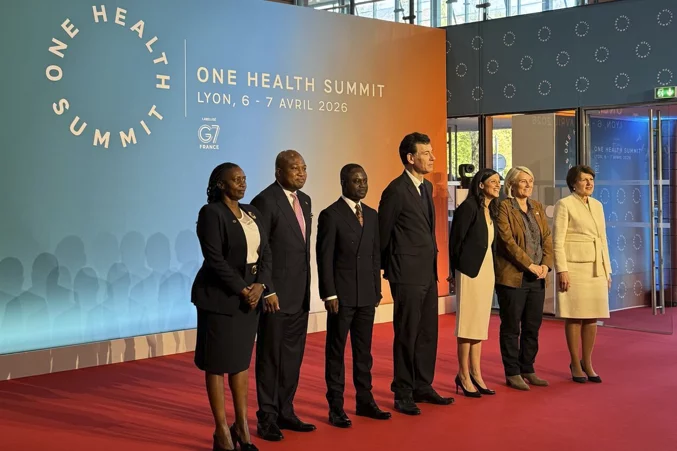
The event also brought together a number of high-level institutional figures, including ministers and the President of the Republic, who shared their vision of the key challenges facing today’s healthcare systems: risk prevention, healthcare transformation, and the integration of environmental considerations into health policies.
Among the notable contributions, Éléonore Caroit highlighted the momentum behind the One Health Economic Forum, stressing the importance of practical solutions developed by companies to address the challenges of the “One Health” approach.
She also underlined the crucial role of innovation in key sectors such as human and animal health, sustainable water management, and waste treatment, all essential to preventing health and environmental crises.
👉 LinkedIn post by Éléonore Caroit
Bringing together nearly 70 companies from 35 countries, including 40 from France, the forum reflects the strong momentum of engaged stakeholders and the growing need for collective action in response to the interconnected challenges of human health, animal health, and the environment.
Medical waste sterilization in public health systems
Healthcare waste management challenges
The One Health Economic Forum addressed several key public health topics, including infection prevention, healthcare waste management, and the safety of waste treatment processes.
→ Organizers’ perspective from the One Health Economic Forum
A major point highlighted was the continued increase in infectious medical waste, which requires reliable and structured treatment systems to ensure safe handling.
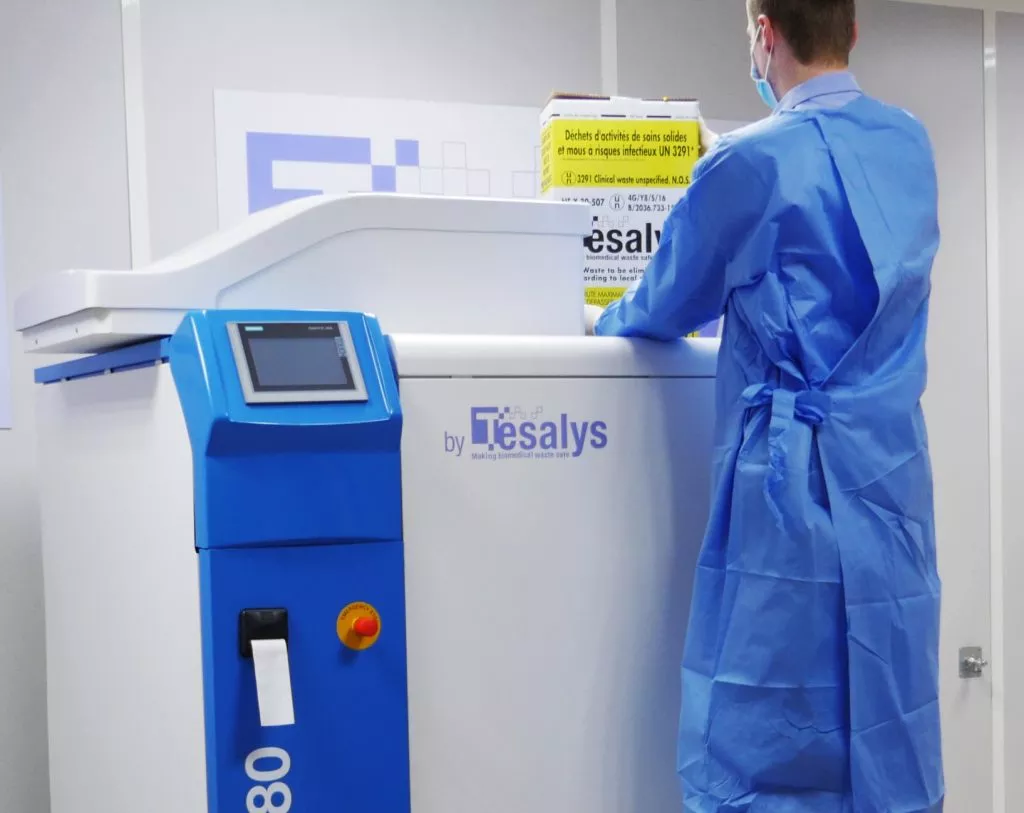
In this context, medical waste sterilization is part of the technical solutions used to reduce biological risks and support safer waste management practices in healthcare environments.
Linking healthcare systems and environmental considerations
The discussions also highlighted the importance of stronger coordination between healthcare systems, environmental policies, and technological innovation.
Healthcare facilities today face several challenges:
- Infection control and biosafety requirements
- Reduction of environmental impact
- Economic constraints in waste treatment
- Compliance with regulatory frameworks
As a result, medical waste management and Infectious healthcare waste treatment are increasingly seen as part of a broader approach that connects healthcare delivery with environmental responsibility.
Cooperation and development of solutions
Participants from institutions, industry, and technical fields emphasized the importance of cooperation in improving healthcare waste management systems.
This collaboration is key to supporting the development of safer and more consistent medical waste treatment practices.
It also contributes to the evolution of medical waste sterilization solutions, adapted to the operational needs of different healthcare settings.
Medical waste sterilization and public health
Managing infectious healthcare waste
Infectious healthcare waste represent a biological risk when not properly handled. Their treatment requires defined processes aimed at reducing infectious hazards and ensuring controlled disposal throughout the waste chain.
Role of sterilization processes
Medical waste sterilization contributes to:
- Reducing infectious risks
- Supporting safer healthcare environments
- Ensuring regulatory compliance
- Improving traceability in waste management
Building a more sustainable health system together
Through its participation in the One Health Economic Forum and World Health Day 2026, Tesalys contributes to ongoing discussions on healthcare waste management within the One Health framework.
The development of medical waste sterilization approaches and DASRI treatment systems is part of broader efforts to improve safety, environmental performance, and efficiency in healthcare waste management.
These exchanges reflect a gradual shift toward more integrated approaches linking health, environment, and operational practices.