

We are pleased to announce our new collaboration with CAHPP, Soins et Performances. This collaboration brings together two complementary areas of expertise with a shared objective: supporting healthcare facilities in evolving their infectious healthcare waste management practices.
A collaboration supporting healthcare facilities
Managing infectious healthcare waste is an important challenge for healthcare facilities. From the point of generation to treatment, its management raises issues related to safety, logistics, storage, transportation and environmental impact.
Through this collaboration with CAHPP, Tesalys aims to contribute to a new approach to waste management, with a focus on considering treatment as close as possible to where waste is generated.
CAHPP supports healthcare facilities with their procurement and initiatives aimed at improving performance. Tesalys, for its part, brings its expertise in on-site treatment of infectious healthcare waste.
Rethinking waste treatment closer to where it is generated
Infectious healthcare waste is generally collected and transported to an external treatment facility. This approach involves storage, handling and transportation requirements before treatment.
On-site treatment offers an alternative approach: treating waste directly within the healthcare facility where it is generated.
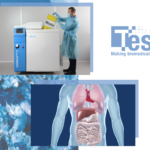
Tesalys solutions combine shredding and steam sterilization to treat infectious healthcare waste directly at the point of generation. This approach can help limit handling and reduce the need for storage and transportation before treatment.
The aim is to rethink infectious healthcare waste management while taking into account the specific challenges healthcare facilities face in terms of safety, logistics and environmental impact.
A safer and more sustainable approach to healthcare waste management
This collaboration is part of a broader reflection on how waste management practices can evolve across the healthcare sector.
By bringing treatment closer to where waste is generated, healthcare facilities can consider a different way of managing their infectious waste streams, including:
- reducing the need to store waste before treatment;
- fewer handling operations and movements of infectious waste;
- reducing the need to transport waste to external treatment facilities;
- greater consideration of the environmental impact associated with waste management.
On-site treatment of infectious healthcare waste can therefore provide an option for healthcare facilities looking to evolve their practices while giving greater consideration to safety, logistics and sustainability.