

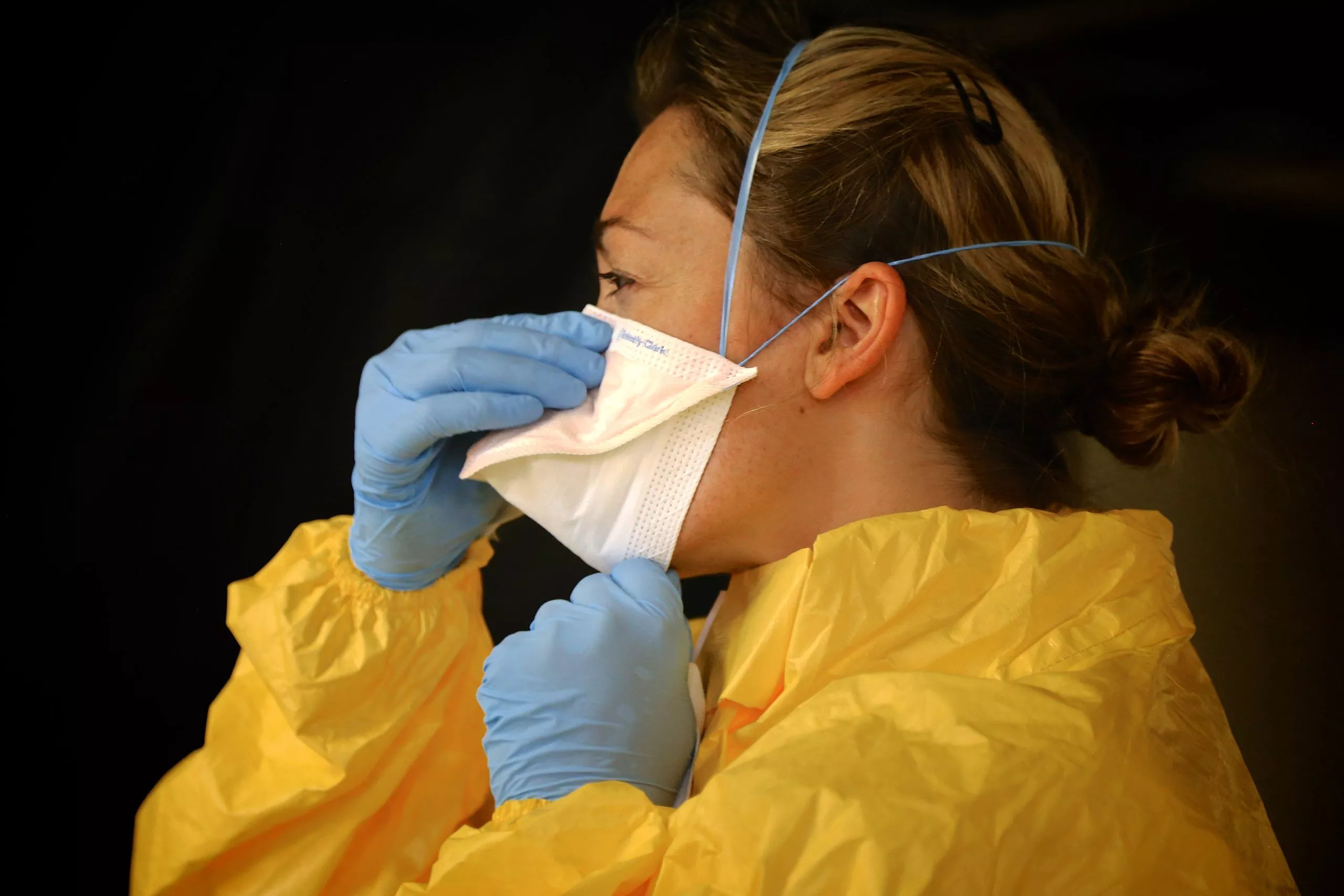
When an Ebola outbreak occurs, attention naturally focuses on patient care, protecting healthcare workers and breaking chains of transmission. Yet another aspect of the public health response is equally important: the safe management of medical waste that may be contaminated with the virus.
Gloves, protective gowns, dressings, syringes and single-use medical devices are among the items generated during healthcare activities. When improperly managed, these wastes can expose healthcare professionals and waste handlers to significant biological risks.
According to data published by the World Health Organization (WHO) and UNICEF in 2026, only 25% of healthcare facilities in fragile settings had basic healthcare waste management services in 2025. This figure highlights the persistent challenges facing many health systems, particularly in regions where infrastructure and resources are limited.
Ebola: An Infection Risk That Extends Beyond Patient Care
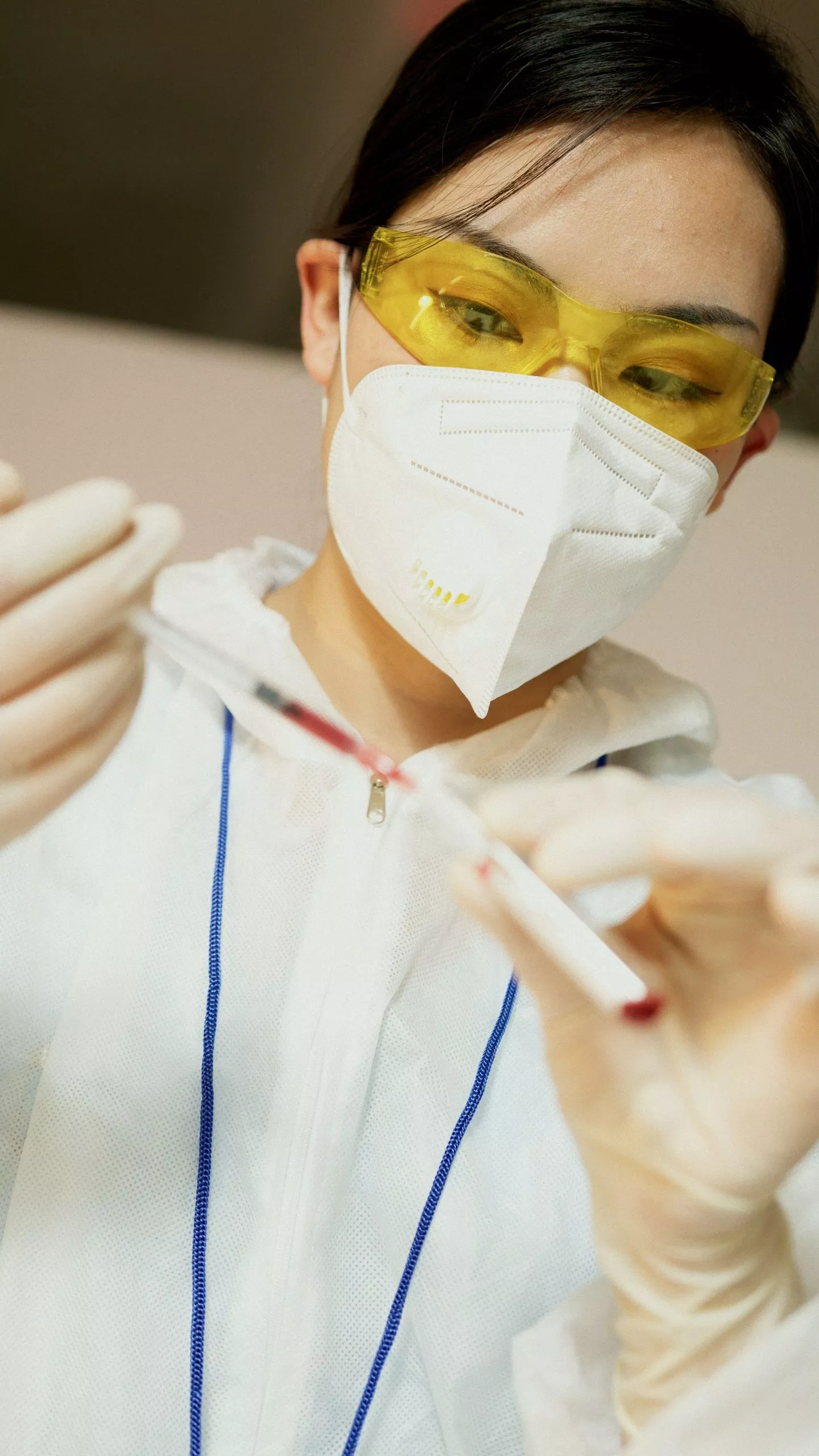
In Ebola treatment centres, waste generated during medical care may pose a significant infection risk. Its handling requires specific precautions to protect medical teams, sanitation workers and surrounding communities.
Prevention relies on measures such as waste segregation at the point of generation, the use of appropriate containers, personal protective equipment and staff training. These measures form part of infection prevention and control protocols and must be incorporated from the outset when healthcare facilities are established.
Beyond procedures, the effectiveness of these measures also depends on the human and material resources available. In some settings, healthcare facilities must operate with inadequate infrastructure and limited resources, even as demand increases rapidly during an outbreak.
What Happens to Infectious Waste After Patient Care?
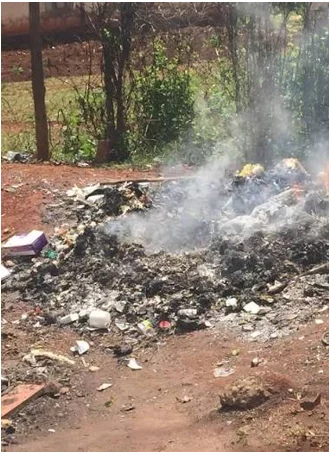
Incineration is one of the methods commonly used to treat infectious medical waste. However, it requires suitable facilities and an effective logistics system.
Transporting waste to treatment centres, providing temporary storage and ensuring the availability of appropriate infrastructure can present significant challenges, particularly in remote regions or areas with limited resources. During an outbreak, the increase in waste volumes can intensify these difficulties and put existing treatment capacity under pressure.
The distance to specialised facilities can also extend treatment times and increase healthcare facilities’ dependence on external service providers. In hard-to-reach areas, these logistical constraints create additional challenges in ensuring the continuous and safe management of infectious waste.
The ability to treat waste within appropriate timeframes is therefore essential to maintaining continuity of care and ensuring safe healthcare environments.
On-Site Treatment: A Complementary Approach
In response to these challenges, treating infectious waste directly at healthcare facilities offers a complementary approach to centralised waste management systems.
By bringing treatment closer to where waste is generated, this approach can reduce the need to transport untreated waste and limit associated storage requirements. It also enables healthcare facilities to develop local treatment capacity, which can be particularly valuable when access to specialised infrastructure is limited.
This approach may be relevant for remote hospitals, temporary healthcare facilities and establishments facing significant logistical constraints. Its suitability depends on the volumes generated, the categories of waste involved and the resources available on site.
Developing local treatment capacity is part of a broader effort to strengthen the resilience of health systems. Rather than necessarily replacing existing infrastructure, it offers an opportunity to diversify available options and adapt waste management to local conditions.
Tesalys: Equipment for Treating Infectious Waste at the Point of Generation
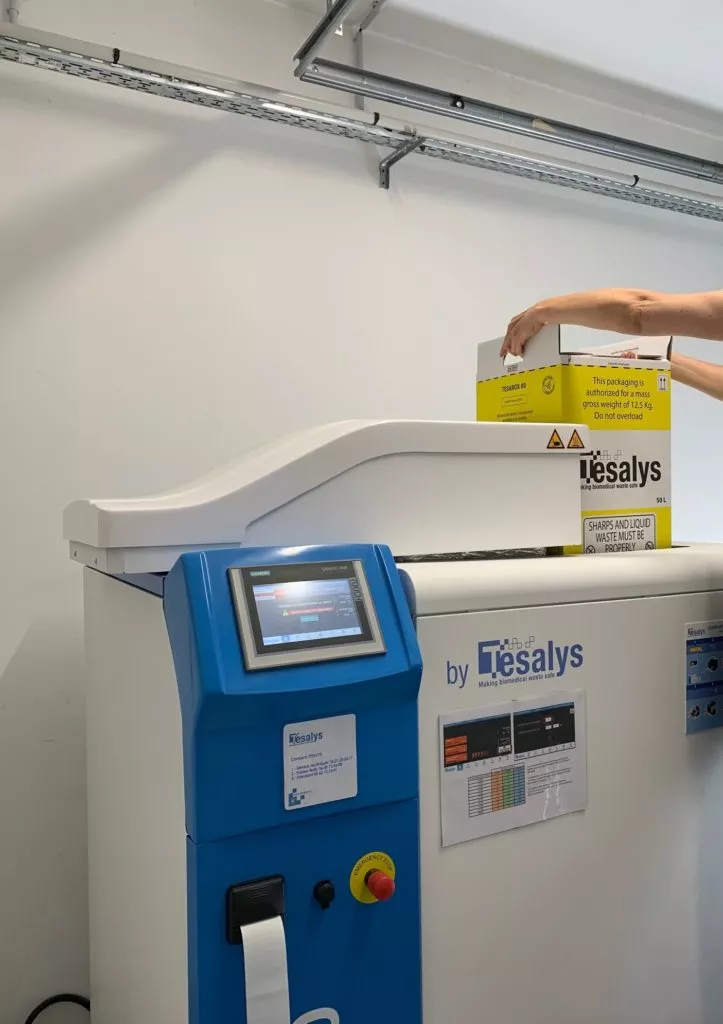
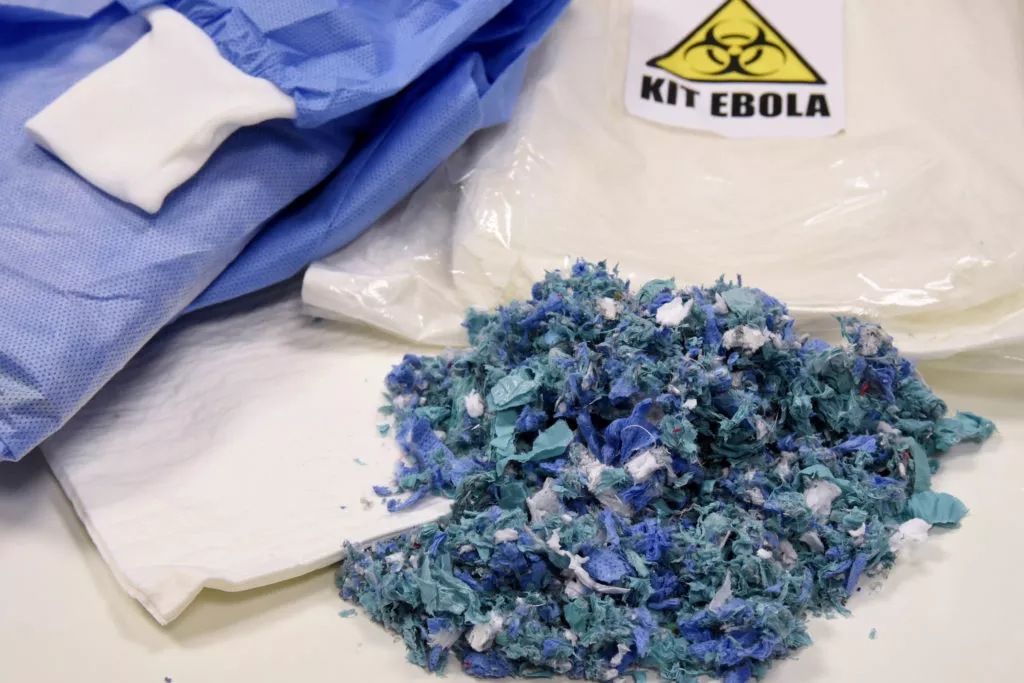
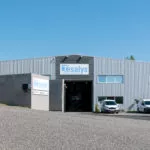
Tesalys is a French manufacturer specialising in the treatment of infectious healthcare waste. The company develops equipment designed to treat medical waste directly where it is generated.
Its systems combine shredding with steam sterilisation at 135°C. This process is designed to reduce infection risks and transform treated waste, helping facilitate its subsequent management.
By integrating treatment within healthcare facilities, Tesalys solutions can help reduce the challenges associated with storing and transporting waste before treatment, while strengthening local waste management capacity.
In environments where infrastructure is limited or difficult to access, this approach can be considered as part of a comprehensive medical waste management strategy. It can complement existing systems and support an organisation better suited to healthcare facilities’ needs.
During an Ebola outbreak, waste treatment solutions must form part of an overall biosafety strategy and comply with applicable health protocols. Ensuring that the process is appropriate for the waste concerned and meets local requirements allows on-site treatment to be considered as a complementary means of strengthening infectious waste management capacity.
Waste Management: A Key Component of Outbreak Preparedness
The response to Ebola requires considerable resources for epidemiological surveillance, patient care and the prevention of transmission. However, its effectiveness also depends on essential functions that are sometimes less visible but play a vital role in healthcare safety.
Infectious waste management is one of them. Anticipating waste volumes, ensuring safe handling and providing appropriate treatment capacity are all necessary to protect healthcare workers and maintain the operation of healthcare facilities.
From the point where waste is generated to its final treatment, every step matters. Strengthening infectious waste management capacity also contributes to safer healthcare facilities that are better prepared for public health emergencies.
To learn more, visit our page dedicated to infectious healthcare waste treatment.